6 Product Launch Strategy Examples to Adapt for Growth
Product launch strategy examples are most useful when they show a mechanic you can adapt—not a result you can assume you’ll reproduce. These six illustrate different jobs: explain a new proposition, collect early demand, encourage referrals, make an offer memorable, demonstrate use contexts, and turn customer data into repeat engagement. This comparison is for growth-stage and ecommerce teams choosing a launch approach that fits their product and operating capacity.
I assess each example on the customer action it encourages, how clearly the public-facing example supports that interpretation, what a smaller team could adapt, and the burden of delivering it. These are distinct patterns rather than interchangeable campaign templates. A compelling launch can still fail if it attracts the wrong prospects, creates demand the business cannot fulfill, or makes a promise the product does not keep.
1. Apple iPhone: Explain a new proposition through familiar jobs

What the launch demonstrates
Apple’s original iPhone announcement framed the product through familiar functions: a phone, a music player, and an internet communicator. The announcement supports that description of the product positioning; it does not, by itself, establish which part of the launch drove customer purchases. Apple’s announcement is useful as a reference for how the proposition was presented.
The adaptable lesson is to start with the customer’s job, then show how the product helps with it. For a new kitchen appliance, for example, a short demonstration of a meal it prepares may clarify the benefit faster than a feature list. That’s an illustrative adaptation, not a claim about Apple’s results. The approach is strongest when a product combines functions or when a new category needs explanation.
Verdict and operating fit
- Best for: A product with benefits customers need to see or understand.
- Does not suit: A familiar, low-consideration replacement with an already obvious use.
- Standout: A single customer-facing story can organize the demo, ad, and landing page.
Implementation burden: Moderate to high. The team needs a clear demonstration and consistent claims across creative and product pages. Commercial model: A physical product sold through purchase, rather than an offer that depends on a free trial to explain its value. The pattern is less useful when customers only understand the benefit after extended use.
2. Tesla Model 3: Turn early interest into a reservation
What the mechanism demonstrates
The Model 3 introduction used reservations as a way for interested customers to signal intent before ordinary delivery. Tesla’s Model 3 announcement documents the launch presentation, but an announcement is not evidence that a reservation predicts a completed purchase. Treat this as a commitment and demand-organization pattern, not proof of market size.
A waitlist captures contact details; a reservation asks for a stronger action and can create additional obligations. Keep the steps distinct in reporting: qualified interest, reservation completion, cancellations, and eventual purchases. A useful adaptation for a brand with a long production lead time is to communicate what the reservation does—and does not—guarantee before asking for commitment. A signup is a signal, not confirmed revenue.
Verdict and operating fit
- Best for: High-consideration products where early commitment has a real customer benefit.
- Does not suit: Routine replenishment or products available for immediate delivery.
- Standout: A reservation can connect early interest to planning and customer updates.
Implementation burden: High when production, delivery estimates, cancellation handling, or support are uncertain. Commercial model: A high-value product purchase with a pre-fulfillment commitment step. The pattern can backfire if the brand creates urgency but cannot provide dependable terms and updates.
3. Dropbox: Tie referrals to the product’s value
What the mechanism demonstrates
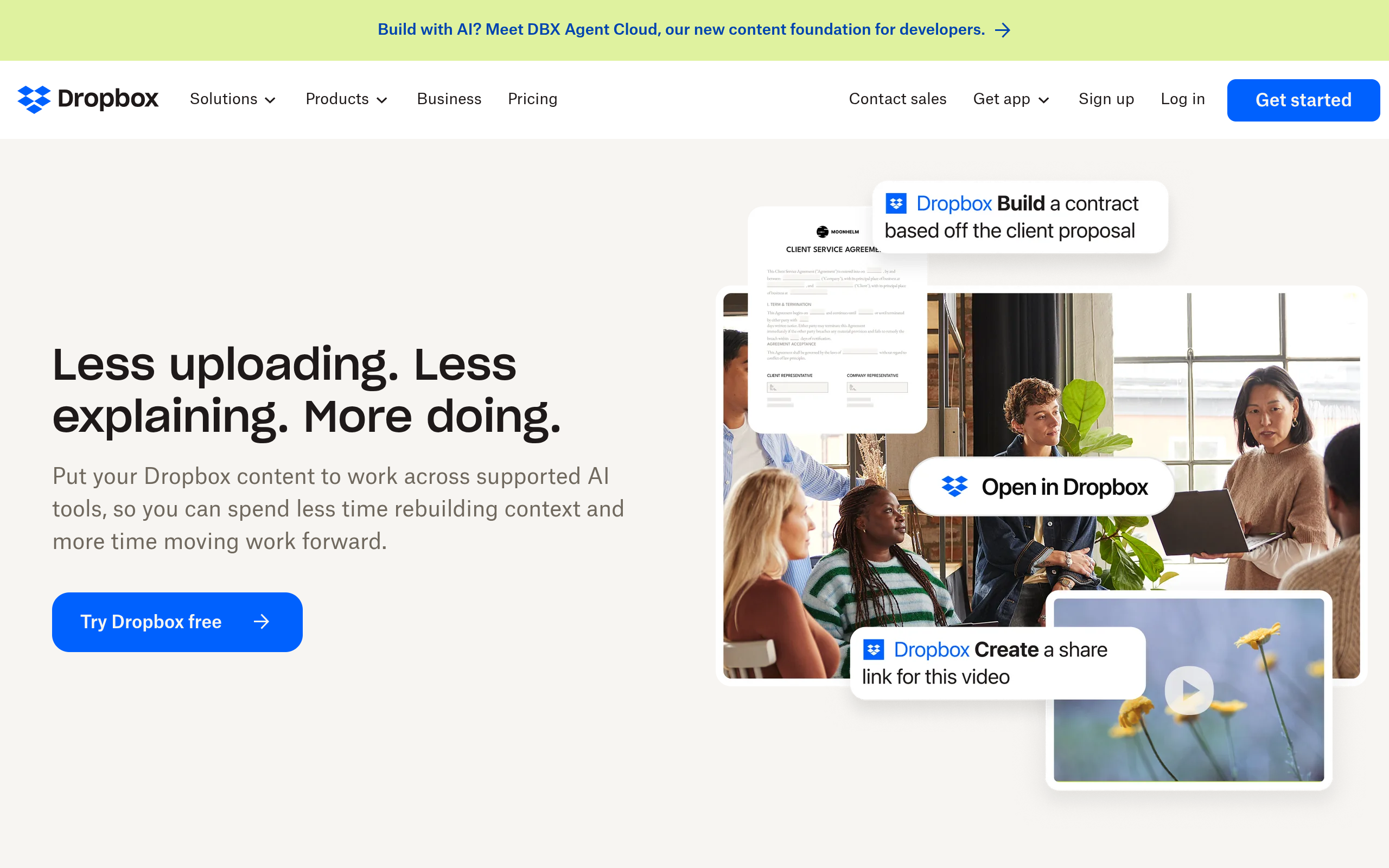
Dropbox’s referral program illustrates a reward linked to the product: its referral page describes a program that offers additional storage under its terms. Dropbox’s referral page supports the existence of that mechanic; check the page for current conditions rather than assuming a historical incentive remains unchanged.
The transferable idea is reward relevance. More storage makes sense as a referral incentive for a storage product. A subscription brand might instead test a relevant sample or account credit, provided the reward fits the economics. The loop depends on customers reaching a point where the product has delivered enough value to recommend. Asking too early can produce invitations without genuine advocacy.
Verdict and operating fit
- Best for: Products that naturally support sharing, collaboration, or repeat use.
- Does not suit: One-off purchases with little reason to recommend or return.
- Standout: The incentive reinforces the product’s core benefit instead of distracting from it.
Implementation burden: Moderate. Attribution, reward rules, and checks against abuse all need to be considered. Commercial model: A referral incentive attached to a digital storage product. For another business, estimate whether referred customers can plausibly produce enough value to justify the reward before promoting the loop widely.
4. Dollar Shave Club: Make the offer memorable through demonstration

For current product details, see the official Dollar Shave Club website.
What the mechanism demonstrates
Dollar Shave Club’s launch video used a direct, comedic explanation to make its grooming offer and brand voice easy to recognize. The launch video is an example of the creative; it does not establish how much of the business’s growth the video caused. The useful mechanism is one piece of creative carrying both the proposition and the point of view.
A smaller brand can adapt the clarity without trying to imitate the humor or manufacture virality. Show what is sold, who it helps, and why the offer is worth considering. Then make sure the landing page continues that explanation. If people remember the joke but cannot describe the product, the creative has attention without enough information to support a purchase.
Verdict and operating fit
- Best for: A straightforward offer that benefits from a distinctive, credible voice.
- Does not suit: Products that require restrained messaging or detailed technical explanation.
- Standout: Brand character and buying proposition appear in the same demonstration.
Implementation burden: Moderate. The concept can be simple to produce, but the script, offer, and landing page need to work together. Commercial model: A recurring grooming offer, where the campaign needs to make the repeat-purchase proposition clear. This approach is less suitable when customers are unlikely to buy again or when fulfillment cannot support the advertised offer.
5. Nintendo Switch: Show how the product fits different contexts
What the mechanism demonstrates
Nintendo presents Switch as a system for both television-based and portable play. Its official Switch page describes the product and its play modes. The launch lesson is to show the change in context rather than making customers infer when or where the product fits their lives.
This can translate to a product that serves different occasions: a portable speaker might be demonstrated at home and outdoors, for instance. Treat those as separate customer situations, not a reason to cram every feature into one ad. Give each use case enough room to be understood, then compare the quality of interest it attracts. A higher click rate alone does not establish which situation brings more valuable customers.
Verdict and operating fit
- Best for: Products whose value changes with setting, mode, or occasion.
- Does not suit: An offer with one obvious use and no meaningful shift in context.
- Standout: Demonstrations help customers picture the product in a real routine.
Implementation burden: Moderate. Distinct demonstrations require creative work, while the overall message still needs to feel coherent. Commercial model: A hardware product with distinct play contexts. A small brand with one simple product use may not have enough meaningful situations to justify separate creative paths.
6. Spotify Wrapped: Turn personalization into repeat engagement
What the mechanism demonstrates
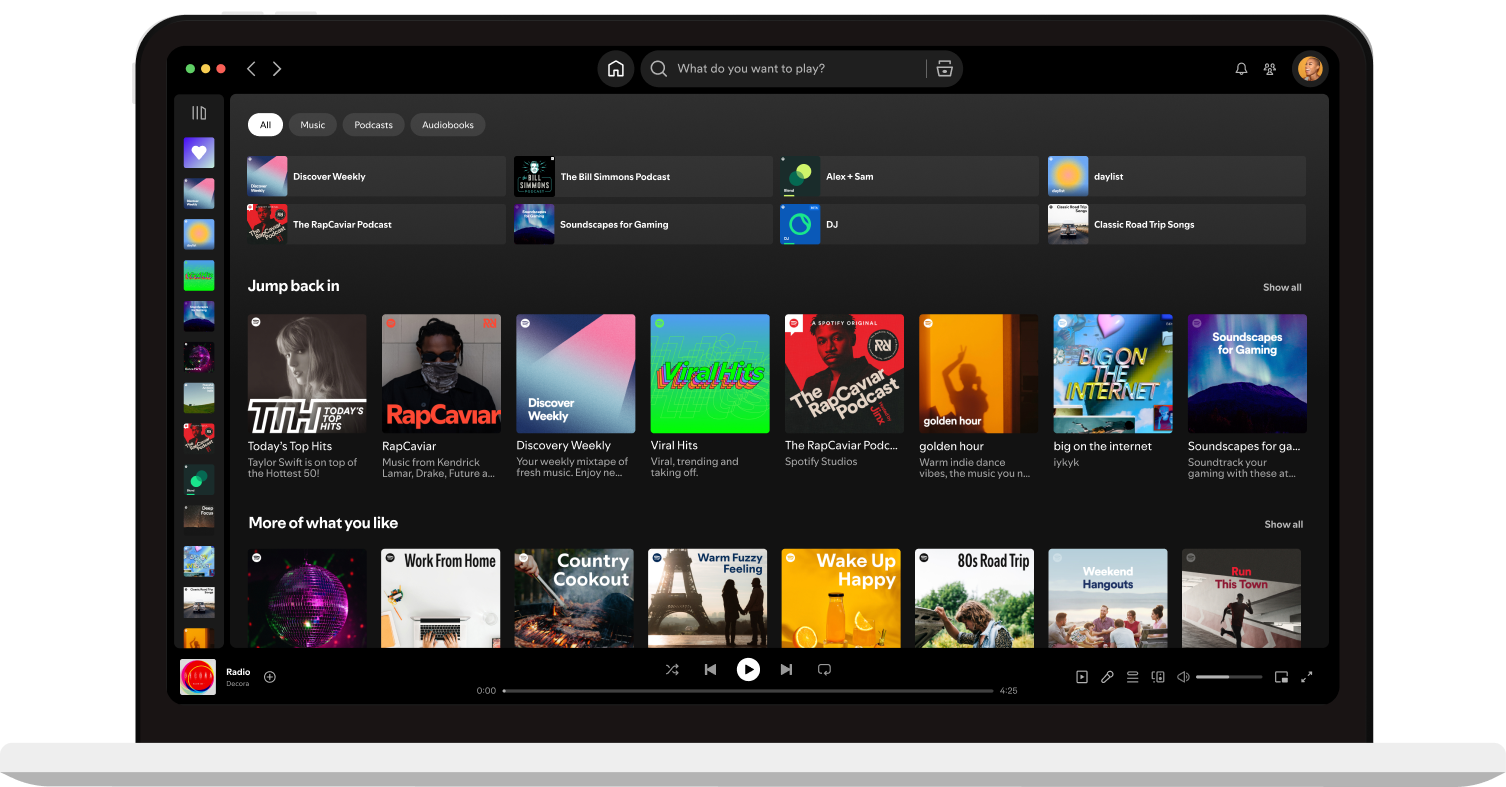
Spotify Wrapped illustrates a different kind of launch mechanic: a recurring, personalized experience that gives customers something to review and share. Spotify’s Wrapped page is an official reference for the experience. For a brand adapting the pattern, the key is not to copy a specific visual treatment; it is to make the customer’s own activity the substance of the campaign.
This is most relevant when customers generate meaningful activity over time and can get value from seeing it reflected back to them. A retailer might create a customer recap from purchase history, for example, if the data is accurate and the presentation genuinely useful. Personalization has to earn its place: a generic message with a customer’s name inserted is not the same as a useful summary. Avoid a version that exposes sensitive information or turns the customer’s data into an unsupported claim.
Verdict and operating fit
- Best for: Products with repeat customer activity that can support a relevant recap or milestone.
- Does not suit: A one-time purchase with no meaningful customer activity to summarize.
- Standout: The customer’s own experience supplies the campaign’s material.
Implementation burden: High if activity data is incomplete, difficult to interpret, or needs careful handling. Commercial model: A recurring engagement campaign for an existing service, rather than a standalone product price or launch offer. This pattern is less appropriate when the business cannot produce a reliable, worthwhile customer-level summary.
Comparison
Use the comparison to identify the job your launch needs to do. These examples address different barriers, so the right choice depends on whether your main constraint is understanding, commitment, advocacy, communication, use-case clarity, or repeat engagement.
| Example | Core mechanism | Useful when | Main burden |
|---|---|---|---|
| Apple iPhone | Explain the product through familiar jobs | Customers need help understanding the proposition | Clear demo and consistent messaging |
| Tesla Model 3 | Reservation before fulfillment | Customers have a reason to commit early | Capacity, terms, and customer updates |
| Dropbox | Referral reward linked to product value | Use or sharing can lead to invitations | Attribution, reward rules, and abuse checks |
| Dollar Shave Club | Memorable creative that explains the offer | A direct offer needs a clear, distinctive explanation | Script, offer, and landing-page alignment |
| Nintendo Switch | Demonstration across use contexts | Customers need to picture when and where it fits | Distinct demos with a coherent message |
| Spotify Wrapped | Personalized repeat-engagement campaign | Customer activity can support a useful recap | Reliable data and relevant presentation |
How to choose a launch strategy your team can deliver
Start with the biggest obstacle between a qualified prospect and the next valuable action. Do not begin with the most famous campaign or the most novel creative. Select the mechanic that addresses that obstacle without creating a larger problem for operations, measurement, or customer trust.
- If the offer is hard to understand: Build a product demonstration around a familiar customer job.
- If qualified buyers need a reason to commit early: Compare a low-commitment waitlist with a reservation. The latter requires clearer fulfillment expectations.
- If customers already share the product: Test a referral reward that supports real use, and track whether referred people become customers.
- If the buying proposition is easy to miss: Make the offer explicit in the creative, then continue the same explanation on the landing page.
- If use depends on context or repeat activity: Show one situation at a time, or consider a recap only when customer data can make it useful.
Define the next customer behavior before choosing channels: watch a demonstration, join a list, make a reservation, refer someone, or buy. Pick a primary measure close to that behavior and track what follows. A growing waitlist, for example, can coexist with weak purchase intent; check whether signups are qualified and whether they progress to a purchase when the product is available.
Before committing budget, use this operating checklist:
- Can the team deliver the product, service, and support implied by the campaign?
- Does the mechanic fit the buying cycle and the economics of the offer?
- Can measurement distinguish new demand from existing customers and organic interest?
- Do the creative, product page, inventory information, and customer terms tell a consistent story?
- What evidence would lead the team to pause, revise, or scale the launch?
These are examples of launch patterns, not guarantees of a particular outcome; no hands-on testing of the campaigns is implied. Vendor terms, current availability, and pricing can change, so check the linked official information before relying on a current offer or capability. For a growth-stage brand, a practical starting point is the least complex mechanic that addresses the biggest buying barrier, then expansion only when customer and commercial evidence support it.
Kimmel Marketing describes its work across brand strategy, creative development, media buying, and performance optimization. Its digital marketing services and marketing expertise pages are relevant starting points for learning about the agency. If you’re assessing how positioning, creative, and paid acquisition fit together for a launch, Kimmel Marketing.
Authored with NotFair SEO